Entry · Ref XNILHBLY
Central Florida Gutter FAQ: Answers for Homeowners New to Rainwater Control
- Posted
- 2026-10-18
- Last amended
- 2026-10-18
- Account
- @runoffjournal179
If you are new to owning a home in Central Florida, gutters can feel like one of those features you barely notice until the first hard summer storm dumps sheets of water off the roof. Then suddenly they matter a lot. Water starts splashing near the foundation, mulch washes into the grass, and the area by the lanai or pool deck gets sloppier than you expected.
That is why so many first-time homeowners end up asking the same questions. Do I really need gutters? Where should the downspouts send the water? Are gutter guards worth it? Can I clean them myself, or is that a job better left to a pro?
In this part of Florida, rainwater control is not just about convenience. It is tied to runoff, erosion, routine maintenance, and keeping water from sitting where it can create problems. University of Florida guidance has long emphasized keeping roof runoff on site when possible and directing downspouts toward areas that can absorb water, such as turf, planting beds, rain gardens, rain barrels, cisterns, or other pervious parts of the yard. That one principle answers a surprising number of gutter questions.
Do homes in Central Florida really need gutters?
Some do, some do not, and some need them only on certain rooflines.
That answer frustrates people because it is not tidy, but it is the honest one. Gutters are most useful where roof runoff would otherwise fall in a concentrated sheet and create trouble below. Trouble might mean soil erosion, mulch washout, puddling near the foundation, or constant splashing onto a walkway, patio, entry, or planting bed. If the house has sections where water already drains safely into open lawn and soaks in well, gutters may be less urgent there.
The bigger issue is not whether a home looks complete with gutters. The real question is what the water is doing now, and where it goes during a hard storm. Florida-friendly landscape guidance stresses reducing stormwater runoff and keeping water on site when possible. In practical terms, that means a gutter system should not just collect water for the sake of collecting it. It should send that water to a place that can handle it.
I have seen homeowners focus almost entirely on the gutter profile and color, then ignore the downspout discharge. That is backwards. A beautiful gutter that dumps water into a bad spot is still a drainage problem.
What should downspouts do?
They should move roof runoff away from the house and into an area that absorbs water.
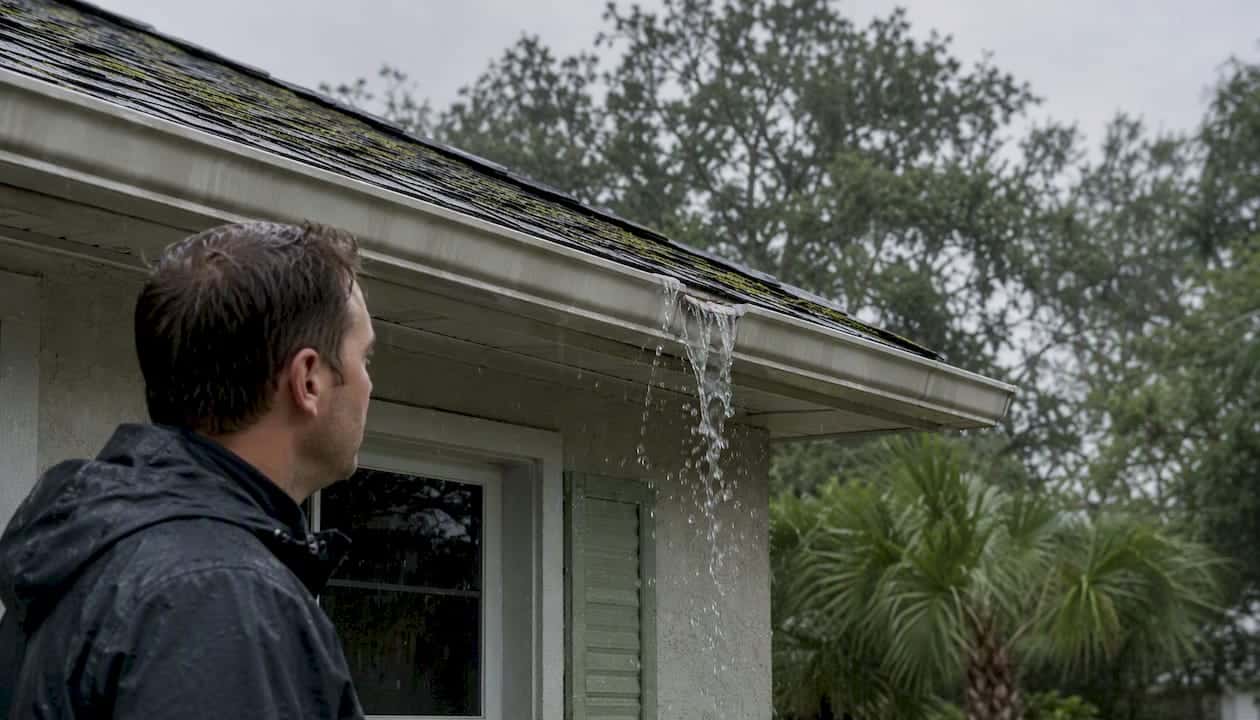
That sounds simple, but it is where many systems succeed or fail. UF/IFAS guidance warns that runoff can pool near the foundation and can contribute to pest issues, so downspouts should direct water away from the home. Lawn areas, planting beds, and other pervious zones are typically better targets than places where water will bounce, flow back, or collect against the structure.
This matters in sandy Florida soils too. Sandy ground often absorbs water better than heavier soils, but a fast tropical downpour can still overwhelm a small area. If several roof planes all discharge into one narrow strip beside the house, even a yard with good drainage can get chewed up over time.
A useful rule of thumb is to walk the property after a real storm. Not a light drizzle, a real summer rain. Watch where water exits the downspouts, where it runs, and whether it settles or cuts channels through the soil. That tells you more than a brochure ever will.

Why is gutter drainage such a big deal around lanais and pool areas?
Because outdoor living spaces make drainage problems harder to ignore.
With a pool cage, screened enclosure, deck, or patio, you have less room for error. Water that might have quietly soaked into an open yard can become a nuisance when it lands near doors, tracks, slab edges, or seating areas. If you are researching gutter drainage for pool cages, the key issue is control. You want roof runoff handled in a way that does not create messy overflows, erosion, or constant wet zones around the spaces you use most.
UF/IFAS guidance for home landscapes points in the same direction. Manage runoff so it does not erode soil or create avoidable problems near outdoor areas. Around pools and enclosures, that often means being very deliberate about where downspouts terminate and whether the receiving area can absorb the volume.
This is one of those places where “good enough” installation can become annoying very quickly. A downspout that empties onto a narrow strip beside a screened enclosure may not look bad on day one, but a wet season later, you may be dealing with washed mulch, a muddy edge, and water moving where you do not want it.
What affects gutter installation cost factors in Florida?
The phrase gutter installation cost factors Florida gets searched a lot, and for good reason. Homeowners want a number. The problem is that any honest answer depends on the house and the drainage plan.
A simple one-story run on a straightforward roof is one thing. A house with multiple rooflines, tricky corners, limited downspout placement options, or drainage challenges near patios and planting beds is another. Material choice matters too, as does whether the job includes replacing damaged sections, adjusting drainage paths, or adding features intended to reduce maintenance.
What is worth remembering is that the cheapest bid is not always the least expensive choice over time. If the installer puts the water in the wrong place, you may save money at first and spend more later repairing landscape washout or reworking downspouts. With gutters, layout and discharge matter as much as the visible hardware.
Are seamless gutters a good fit in this region?
They can be, especially if your main goal is a cleaner fit and fewer joints along long roof edges.
Homeowners looking into seamless gutters Williston FL or nearby areas are often trying to solve two problems at once. They want a gutter system that looks neat, and they want something that reduces opportunities for leakage at seams. That is a reasonable line of thinking. Any time you have fewer connection points, you usually have fewer spots to watch over the years.
That said, no gutter system is maintenance-free. Even a well-made system still needs routine observation, cleaning, and occasional repair. Leaves, roof grit, and organic debris do not care whether the gutter is sectional or seamless.
What about gutters for metal roofs in Florida?
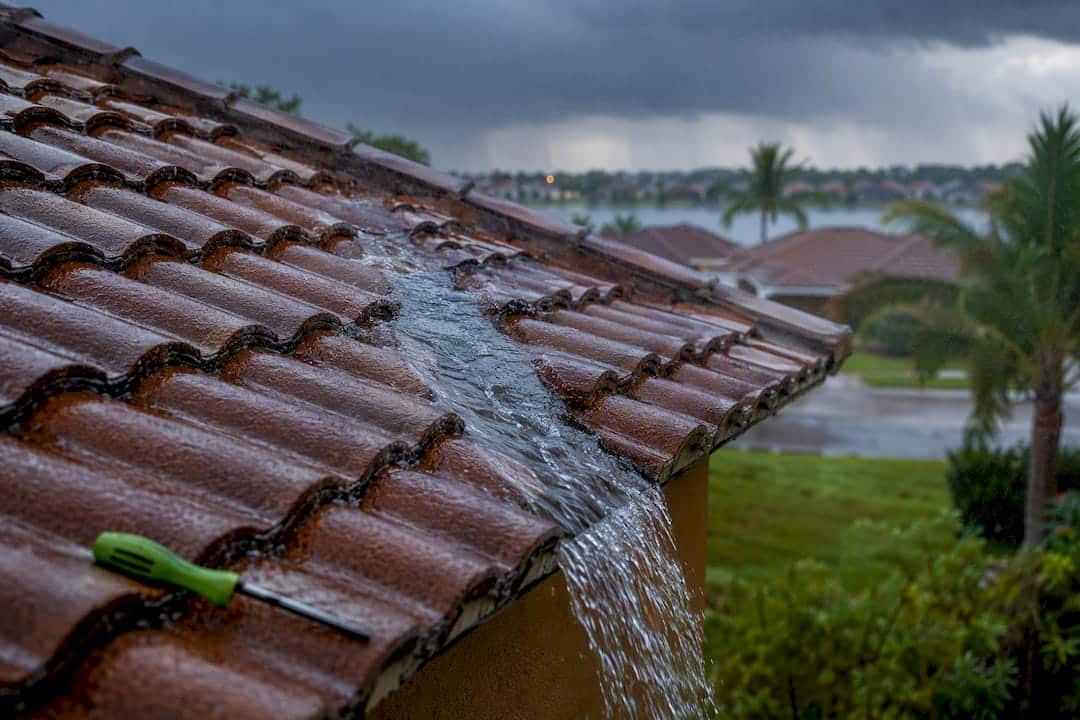
Metal roofs bring their own considerations, and homeowners often ask about gutters for metal roofs Florida because they want to make sure the pieces work together. That is a fair concern. The broad principle stays the same, though. Whatever the roof material, the gutter system still needs to collect runoff effectively and send it to a place that can absorb or use the water without causing damage.
Instead of getting hung up on buzzwords, focus on compatibility, attachment methods, water flow, and discharge location. A good conversation with an installer should revolve around how the roof sheds water and where that water goes once it leaves the gutter.
Are gutter guards worth it?
Sometimes, but not always.
This is where expectations need a reset. Gutter guards Mount Dora FL and similar searches often come from homeowners hoping to eliminate maintenance entirely. That is rarely a realistic goal. Guards may help reduce the amount of debris entering the gutter, but they do not erase the need to inspect the system. Florida humidity, leaf litter, roof grit, and storm debris still create maintenance demands.
The better question is not “Will guards solve everything?” It is “Will guards reduce the kind of buildup my property gets, enough to make maintenance easier?” For some homes, especially where leaf drop is persistent, the answer may be yes. For others, guards simply change the type of maintenance rather than removing it.
A homeowner once told me they thought guards meant they would never think about their gutters again. A few months later, they were surprised to find debris collecting on top of the system and around roof valleys. That does not mean guards are bad. It means they are a tool, not magic.
Can I clean gutters myself, or should I hire a pro?
The DIY gutter cleaning or hire a pro question comes down to three things, safety, access, and your comfort with routine upkeep.
Florida guidance is clear that gutters and downspouts need maintenance because leaf litter and debris contribute to drainage problems. So the real issue is not whether cleaning matters. It does. The issue is who should do it.
If the roofline is low, the access is straightforward, and you are comfortable working from a ladder, some homeowners handle basic cleaning themselves. But plenty of people are better served by hiring out, especially on taller homes, awkward rooflines, or houses with landscaping and hardscape that make ladder placement tricky. If you are not steady on a ladder, if the ground stays soft, or if the idea makes you uneasy, that is your answer right there.
The hidden cost of do-it-yourself gutter work is not just time. It is risk. There is no prize for doing a task yourself if the setup is unsafe.
How often do gutters need attention in Florida?
There is no one-size-fits-all calendar, but year-round awareness matters here. Summer thunderstorms, tropical systems, humidity, and regular plant debris all mean you cannot ignore the system for long stretches and expect it to perform well.
A year-round gutter checklist Florida homeowners can actually use is less about exact dates and more about moments that trigger an inspection:
- before the heavy summer rain pattern sets in
- after major storms or tropical weather
- when you notice overflow, splashback, or erosion
- when leaves, twigs, or roof grit are visibly collecting
- when water starts pooling near the house or outdoor living areas
That kind of checklist is practical because it is tied to weather and performance, not an arbitrary reminder on your phone. The house tells you when the system needs attention if you know what to watch for.
What are the signs a gutter system is not doing its job?
Most failures announce themselves before the gutter actually falls off the house.
Overflow during ordinary rain is an obvious clue. So is water dropping in the middle of a run instead of reaching the downspout. Beyond that, look for landscape clues. Washed-out mulch, little channels in the soil, muddy splash zones, and repeated pooling near the foundation all point to poor runoff control.
Near lanais or pool areas, symptoms can look slightly different. You may notice wet tracks, grime trails, or recurring soggy spots around outdoor surfaces. The common thread is that water is not being guided where it should go.
When is repair enough, and when is replacement smarter?
Repair makes sense when the underlying layout still works and the problem is isolated. If a section is damaged, a downspout needs adjustment, or part of the system is clogged or pulling away, a targeted fix may be all you need. That is why searches like gutter repair Hawthorne FL and gutter cleaning Dunnellon FL tend to come from homeowners trying to solve a specific drainage issue rather than start over.
Replacement becomes the better option when the problems are broad or the original design never handled runoff well in the first place. If several roof areas discharge poorly, if water consistently ends up near the foundation, or if the system needs repeated patchwork and still misbehaves, it may be time to rethink the whole setup.
The key is to judge the system by performance, not just appearance. A gutter can look decent from the driveway and still manage water badly.
Do gutter colors matter, or is that just cosmetic?
They matter visually, and sometimes practically, but color should never outrank function.
People spend more time on gutter colors for Florida homes than you might expect. That makes sense. Gutters sit right at the roofline and can either blend in quietly or stand out. A color choice can sharpen trim details or disappear against fascia. There is no universal best pick. The right choice depends on the house, roof, trim, and how visible the runs are from the street.
If you live in an HOA community, there is one extra wrinkle. Florida law gives associations authority over exterior appearance standards, including certain style and color specifications, though those standards still must comply with applicable building code requirements and cannot be used to deny conforming installations outright. In plain language, check the rules before installation, but do not assume appearance review gives an association unlimited power.
From a practical standpoint, most homeowners are happiest when the gutter color supports the house rather than drawing attention to itself. You notice poor drainage every storm. You notice color only if it clashes.
What are the biggest gutter myths Florida homeowners run into?
A lot of gutter myths Florida homeowners hear come from places with different weather, different lots, or different expectations about maintenance. Here are a few that deserve a reality check:
- “If I have gutters, I do not need to think about drainage.” Gutters collect water, but downspout placement still determines whether that water helps or hurts.
- “Gutter guards mean zero maintenance.” They may reduce some debris issues, but inspection and cleaning are still part of ownership.
- “Any spot away from the door is fine for a downspout.” Not if the water ends up pooling near the foundation or washing out a bed.
- “If the gutters are attached, they are working.” Plenty of systems stay firmly in place while overflowing or discharging into the wrong area.
- “All I need is a cheap cleaning once in a while.” Cleaning matters, but layout, repair, and runoff direction matter too.
The pattern behind these myths is simple. People treat gutters as isolated hardware when they are really part of the home’s broader water management.
What should new homeowners pay attention to during the first rainy season?
Use that first season as a live test.
Stand outside when it rains, if it is safe to do so, and watch the system. See whether water reaches the downspouts cleanly. Look at the base of the house after the storm. Check whether the lawn or planting beds absorb the runoff or whether it races across the surface. Pay special attention to corners, entries, patio edges, and anywhere water tends to collect.
This kind of observation is more valuable than guessing. Florida storms are frequent enough to give you several chances to learn how your property behaves. It is one of the quickest ways to separate a merely installed gutter system from a truly effective one.
A sensible approach that works for most homes
If you are starting from scratch, keep the priorities in the right order:
First, make sure runoff is being directed away from the house. Second, send that water to an area that can absorb or use it on site when possible. Third, this website stay realistic about maintenance, because debris and Florida weather guarantee the system will need attention. Fourth, make cosmetic decisions like profile and color after the water-management plan makes sense.
That order saves a lot of regret.
Gutters are not the flashiest part of a house, and they are rarely the feature homeowners are excited to buy. But in Central Florida, where sudden downpours and humid conditions are part of ordinary life, they play an outsized role. When they are planned and maintained well, they protect foundations, preserve landscape beds, reduce messy runoff, and make outdoor spaces more usable. When they are ignored, they tend to announce it loudly, usually in the middle of a storm.