Entry · Ref 9YH4BZLO
Common Gutter Myths Florida Homeowners in Paisley Should Stop Believing
- Posted
- 2026-10-18
- Last amended
- 2026-10-18
- Account
- @runoffjournal179
In Paisley, rain is not an occasional inconvenience. It is part of how a house lives and ages. A calm afternoon can turn into a loud summer downpour, and a stretch of humidity can leave debris damp and packed into places most homeowners never think about until something spills over. That is why so many gutter myths hang around longer than they should. They sound practical, they get repeated by neighbors, and they often lead to the same headaches: splashback, muddy beds, pooling near the house, and maintenance that gets delayed until it becomes urgent.
A lot of gutter advice also gets flattened into one-size-fits-all rules. Florida rarely rewards that kind of thinking. What works on one lot may be wrong on another, especially when drainage has to work around planting beds, sandy soil, patios, or screened pool areas. If you are sorting through gutter myths Florida homeowners hear all the time, it helps to bring the conversation back to what gutters actually do. They collect roof runoff, move it where you want it to go, and help keep that water from becoming a problem right next to the house.
The biggest myth: “Florida homes do not really need gutters”
This one sounds believable because Florida gets so much rain that people assume water will simply soak in and disappear. In reality, roof runoff moves fast. When it drops straight off the eaves in heavy rain, it can hit the ground with enough force to dig out mulch, beat down planting beds, and create muddy channels where there used to be clean edges. If that runoff lands too close to the house, it can also pool near the foundation and create the kind of damp conditions that attract pests.
That is why drainage matters so much more than the old “gutters or no gutters” debate. The useful question is not whether rain falls. Of course it does. The question is where that water goes after it leaves your roof.
Florida landscape guidance consistently points homeowners toward keeping runoff on site when possible and directing downspouts into areas that absorb water, like turf, planting beds, rain gardens, rain barrels, cisterns, or other pervious spaces. That advice fits what many homeowners in Central and North Florida already learn the hard way. When runoff is controlled, the yard stays more stable. When it is not, you end up chasing erosion, washouts, and soggy spots that never seem to dry out properly.
“Any downspout location is fine as long as the water leaves the roof”
This is where a lot of otherwise decent gutter systems fail. A house can have gutters, but still have bad drainage.
Downspouts should not just dump water wherever there is open space. In Florida, that often means the difference between a yard that handles storms well and one that turns into a muddy mess around the edges. Sending water away from the house and into areas that can absorb it is the goal. Turf and planted areas often make sense. Hard surfaces that rush water toward entries, seating areas, or narrow walk paths usually do not.
This matters even more on properties with carefully planted front beds. A downspout that empties onto a bed without any thought behind it can flatten low plants, carve a trench through mulch, and leave the soil exposed after every hard storm. I have seen homeowners blame the rain itself when the real problem was the discharge point. The storm was normal. The path of the water was not.
If you are comparing gutter installation cost factors Florida homeowners often ask about, this is one of the smartest things to focus on. Not just what gets attached to the roof edge, but what happens after the water enters the system. A lower quote is not much comfort if runoff still ends up pooling beside the house.
“Pool cages solve drainage problems around the back of the house”
Pool areas make drainage more complicated, not less.
A screened enclosure changes how the outdoor space feels, but it does not erase the fact that roof runoff still has to be controlled. In fact, the area around pool decks, lanais, and outdoor seating can become especially frustrating when gutters are missing or poorly planned. Overflow and splash can push soil around nearby beds, leave messy edges where hardscape meets landscape, and turn a nice backyard route into a wet detour after every storm.
That is why gutter drainage for pool cages deserves more attention than it usually gets. The goal is to keep roof water from pouring into the spaces people actually use. Nobody wants a narrow strip of mud near the screen door, or water repeatedly washing out the same corner next to a planted border.
The details will vary from house to house, but the principle stays the same. Roof runoff should be managed carefully so it does not erode soil or create messy overflows around outdoor living areas. If the back of the home includes a pool enclosure, that principle becomes even more important because the inconvenience is immediate. You see it every time you step outside.
“If the gutters are up, the job is done”
This myth costs homeowners a lot of avoidable trouble.
Gutters and downspouts in Florida need maintenance. Leaf litter and debris build up. Humidity helps debris clump together. A system that worked fine in one season can start overflowing in another if no one checks it. You do not need drama for a gutter problem to begin. A partial clog is enough to send water over the edge during a thunderstorm.
That is why routine upkeep belongs in any year-round gutter checklist Florida homeowners keep. Not because gutters are defective, but because they are exposed to weather and organic debris all year. The same storm season that shows you the value of gutters also shows you their weak points.
A neglected gutter usually announces itself in small ways first. You might notice water spilling from one spot instead of flowing evenly. You may see mulch displaced under a single corner. Or you may catch a damp patch near the base of the wall after a rain, even though the rest of the yard drains normally. Those are not quirks. They are warnings.
Homeowners searching for gutter cleaning Dunnellon FL or gutter repair Hawthorne FL are often dealing with exactly this pattern. The system was not necessarily bad from day one. It simply stopped performing because debris, wear, or drainage issues went unchecked too long.
“I can always handle cleaning myself”
Sometimes you can. Sometimes you should not.
The question of DIY gutter cleaning or hire a pro comes down to more than confidence. It involves height, access, roofline shape, and whether you know what you are looking for once you are up there. Cleaning out wet debris is one part of the job. Recognizing why water is backing up, where it is escaping, or whether a downspout is sending water to the wrong place is another.
There is also the timing issue. Florida gutter problems tend to become obvious during ugly weather, which means the best time to inspect or clean them is often before the weather turns, not after overflow starts. That calls for consistency, and many busy homeowners do not realistically want to schedule ladder work several times a year.
Some people are perfectly comfortable doing basic maintenance on a one-story section they can reach safely. Others live in homes where access is awkward, landscaping is dense, or the consequences of a misstep are not worth the gamble. Neither choice is a moral victory. It is a judgment call.
Here is a sensible rule of thumb for that decision:
- Handle it yourself if the access is safe, the section is easy to reach, and you are only dealing with light debris.
- Call a pro if the ladder setup is questionable, the roofline is high or complex, or overflow has already started.
- Call a pro if you suspect more than a clog, especially when water is pooling near the house or damaging nearby beds.
- Recheck after major storm periods, because one cleaning does not guarantee season-long performance.
That is not about fear. It is about recognizing that maintenance and diagnosis are not always the same task.
“Gutter guards mean I will never need cleaning again”
This one refuses to die.
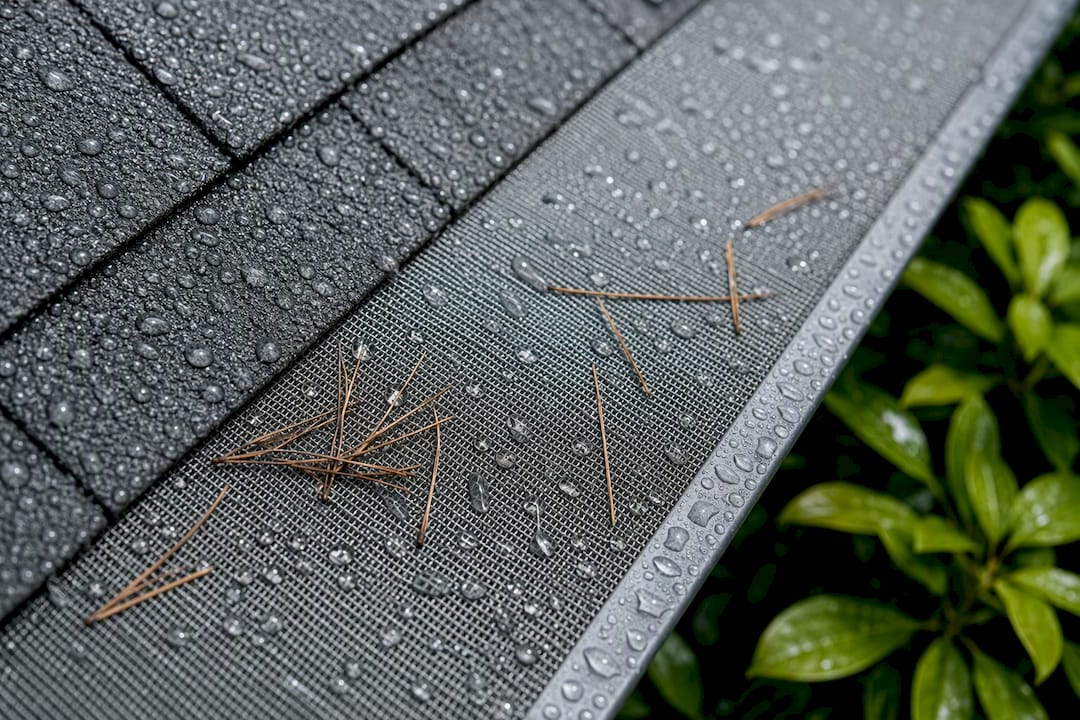
Homeowners looking into gutter guards Mount Dora FL or nearby often want a simple promise: install guards, forget the gutters. Real life is usually less tidy than that. Guards can help reduce the amount of debris entering the trough, but they do not make a gutter system maintenance-free. Debris can still collect on top, wash into vulnerable spots, or build up around downspout openings and roof valleys.
The better way to think about guards is as a tool, not a free pass. They may reduce how often a full cleanout is needed, but they do not remove the need to inspect the system. Water still needs a clear path. Downspouts still need to discharge into the right areas. Overflow can still happen if something blocks the flow.
That is why homeowners who buy guards expecting total freedom often feel disappointed later. The product may be doing part of its job, while the homeowner expected it to do all of it.
“Seamless gutters fix every problem automatically”
Seamless systems are popular for good reasons, and many homeowners asking about seamless gutters Williston FL are trying to avoid the weak points they have seen in older sectional systems. But seamless does not mean infallible.
A gutter system can be seamless and still be poorly planned for runoff. It can be seamless and still dump water where it should not. It can be seamless and still clog with debris. The absence of certain joints does not remove the need for proper drainage layout and routine upkeep.
This is one of the most common mistakes in shopping mode. People focus on the product category and stop asking the practical questions. Where will the downspouts send water? Will runoff stay away from the house? Will nearby planting beds handle that volume well? Does the backyard layout, especially around a screen enclosure or patio edge, need extra thought?
A better system is not just the one with fewer seams. It is the one that manages water in a way the site can actually handle.
“Metal roofs make gutters unnecessary or impossible”
Metal roofs change the look and function of a home, but they do not make roof runoff disappear. If anything, they are one more reason to think carefully about where rainwater is going. Homeowners researching gutters for metal roofs Florida properties should keep the conversation focused on drainage, not myth.
The roof material may be different, but the rain still needs a controlled path. Without one, water still lands somewhere, often with force, and the same issues can follow: erosion, splash, pooling, and wear around the perimeter of the house. The principle does not change just because the roof surface does.
This is also where overly broad advice causes confusion. A neighbor may insist that one roof type “never needs” gutters. Another may say every roof needs them everywhere. Florida homes are rarely that simple. Site conditions, landscape layout, and runoff paths matter more than a catchy rule.
“Gutter color is just a cosmetic detail, and the HOA can say whatever it wants”
Color is cosmetic, but not trivial.
For many Florida homes, gutters are highly visible from the street. The right choice can blend into the roofline or trim and make the whole exterior look cleaner. The wrong choice can stand out in a way the homeowner did not expect. That is why gutter colors for Florida homes come up so often in planning conversations. People are not being picky. They are trying to avoid installing something functional that looks out of place every single day afterward.
Then there is the HOA side of things. In communities with associations or architectural review committees, exterior appearance standards can apply to visible components, including color and style. That means homeowners should check the rules before installation instead of after. At the same time, appearance standards are not unlimited. They must comply with the building code and cannot be used to deny conforming installations.
That balance matters. A homeowner may need to submit a color choice or style for approval, but the review process is not a blank check for arbitrary denial. If you live in a governed community, do the paperwork early, keep records, and make sure the proposed installation matches applicable requirements.
“Gutters only protect the house, not the yard”
This myth underestimates how connected the house and landscape really are.
Florida-Friendly Landscaping principles place real emphasis on reducing stormwater runoff and keeping water on site when possible. Downspouts are part of that picture. A good gutter system is not only about what happens at the wall or foundation line. It is also about how water moves through the yard, where it soaks in, and whether it helps or harms the planted areas around the home.
That matters in a state where a quick storm can send a surprising amount of water off a roof in a short period. If that water is directed into turf or a planting area that can absorb it, the result is often much cleaner and calmer than letting it crash down randomly at the drip line. If it is directed badly, the opposite happens. Soil moves, roots get exposed, mulch disappears, and small erosion problems become recurring repair jobs.
This is one of the reasons gutter repair Hawthorne FL and similar searches often start after a homeowner notices landscape damage first, not structural damage. The flower bed tells the story before the house does.
What smart homeowners in Paisley pay attention to
The homeowners who have the fewest gutter headaches usually are not the ones chasing the fanciest product. They are the ones paying attention to the path of water. They notice where runoff lands, how the yard absorbs it, and whether heavy weather changes the pattern. They do not assume that “installed” means “solved.”
A useful gutter guards in North Florida year-round gutter checklist Florida homeowners can keep is short and practical:
- Watch one hard rain from a safe covered spot and see where water actually goes.
- Check whether downspouts discharge away from the house and into absorbent areas.
- Look for erosion, displaced mulch, or repeated wet spots near beds, patios, and screen enclosures.
- Remove debris before storm-heavy periods, and inspect again afterward.
- Address small overflow or drainage issues early, before they become repairs.
That kind of attention beats guesswork. It also cuts through most of the myths in a hurry. When you actually watch what water does during a Florida storm, bad advice becomes obvious.
The real standard: control, direction, and upkeep
If there is one idea worth keeping, it is this: gutters are not magic, but they are useful when they control runoff and send it somewhere sensible. That means away from the house, into areas that can absorb water, and in a way that does not punish your landscape or outdoor living spaces.
For Paisley homeowners, that standard is far more helpful than any myth about whether gutters are always necessary, never necessary, maintenance-free, or solved by a single upgrade. Heavy rain, humid conditions, and fast-moving runoff do not leave much room for lazy assumptions.
So if you are weighing gutter installation cost factors Florida homeowners talk about, comparing options for gutters for metal roofs Florida homes, wondering about gutter guards Mount Dora FL, or trying to decide between DIY gutter cleaning or hire a pro, keep the goal simple. Do not buy the myth. Follow the water. When runoff is directed well and maintained regularly, the whole property benefits, from the foundation line to the far edge of the planting bed.