Entry · Ref GDVSYYW0
Repair or Replace Gutters in Lady Lake Villages Area: What Homeowners Should Review
- Posted
- 2026-10-18
- Last amended
- 2026-10-18
- Account
- @runoffjournal179
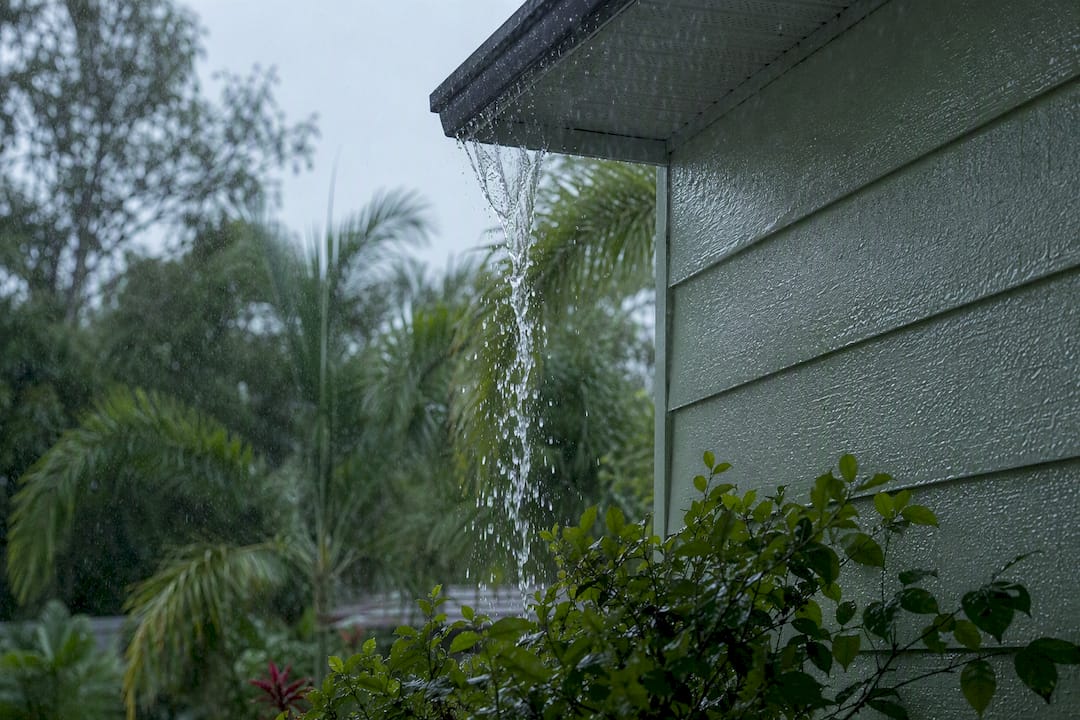
If you own a home around Lady Lake and The Villages, you do not have to wait long to find out whether your gutters are doing their job. A hard Florida rain will test every weak point at once. Water comes fast, wind can push it sideways, and any buildup from leaves, pine needles, or roof grit quickly turns a minor maintenance issue into a messy overflow.
That is why the repair versus replacement decision matters more here than it might in a milder climate. In Central Florida, gutters are not decorative trim. They are part of how a house handles repeated stormwater. When they clog, pull loose, leak at joints, or dump water in the wrong place, the problem tends to show up quickly.
Homeowners often ask the same basic question: should I fix what is there, or is it time to start over? The right answer depends less on age alone and more on condition, fit, drainage behavior, and how your house performs during heavy rain.
What makes gutter decisions different in this part of Florida
The Lady Lake, Leesburg, Wildwood, Ocala, Gainesville, and Fruitland Park areas share a few realities. Summer rain can be intense. Tropical weather brings extra pressure. Humidity keeps organic debris damp and stuck in place. Trees add another layer, especially oak leaves, acorns, and pine needles.
University guidance in Florida repeatedly stresses keeping gutters and storm drains clear before and during storm season. That advice is practical, not theoretical. Once debris mats together, water starts sheeting over the gutter edge, backing up, or pouring out at the ends. Even a system that looked fine in dry weather can fail in the first serious downpour.
This is also a region where yard debris matters beyond the house itself. Leaves, acorns, and other organic litter can wash into stormwater systems and waterways. So when a homeowner puts off gutter cleaning Fruitland Park FL or similar maintenance nearby, the issue is not just curb appeal. It affects drainage performance and runoff quality too.
Those conditions shape the repair-or-replace decision. A gutter system in Florida needs enough capacity, secure fastening, and clear downspout flow. If it is undersized, loosely attached, or constantly choked with debris, patching one small section may not solve the real problem.
Start with what happens during an actual rain
The best gutter inspection I ever see is not from a ladder on a sunny afternoon. It is from the ground during a storm, or right after one. You learn more in ten minutes of real runoff than you do from staring at dry metal.
Watch how water moves. Does it enter the gutter cleanly, or jump over the front lip? Does it collect and drain toward downspouts, or sit in sections and spill out? Do the downspouts move water away, or does it dump right at the base and create pooling? If the answer to those questions is mostly positive, repair may be enough. If the whole system struggles during ordinary summer rain, replacement starts to make more sense.
A homeowner in the Lady Lake area may think, “I only have one leak over the lanai.” Then the next storm reveals three more things at once: the pitch is off, one downspout is clogged, and a corner has pulled away from the fascia. That is where judgment comes in. One isolated problem is a repair issue. Several linked problems usually point to a system problem.
When repair is the sensible move
Repair makes sense when the gutter system still fits the house, most sections are secure, and the trouble is truly localized. A single seam can leak. One hanger can loosen. A downspout elbow can clog. A branch may bend a short run without compromising everything else.
This is the kind of work many homeowners mean when they search for gutter repair Wildwood FL or nearby service. They are not trying to redesign the drainage plan. They just need a functional system restored before the next storm cycle.
A good repair candidate usually has a clear, limited issue. The gutter metal is still sound. Fasteners are not broadly failing. The fascia behind the gutter does not show obvious distress from repeated overflow. Water handling problems improve once the blockage or damaged section is addressed.
Repairs also make sense if a recent installation had a workmanship issue confined to one area. For example, a downspout connection may separate, or a short segment may sag because it was not supported well enough. If the rest of the system works, there is no reason to replace everything just to fix one poor detail.
When replacement deserves serious consideration
Replacement becomes the better value when your current system is asking for constant attention and still not keeping up. This is common when homeowners have had several rounds of patching over the years. Each repair solves one symptom, but the main problem stays in place.
Sometimes the issue is sizing. Homeowners often ask about gutter sizes for Florida homes because heavy downpours expose the limits of a marginal system. I would be careful about giving one-size-fits-all advice here, because gutter and downspout sizing must follow applicable building requirements and the specific roof area being drained. Still, the principle is straightforward: if water regularly overwhelms the existing setup during ordinary storms, the current system may not be adequate for the roof and rainfall demands it faces.
Sometimes the issue is design rather than size. A house may have too few downspouts, or discharge points that do not move water where it needs to go. Someone looking into downspout drainage Newberry FL concerns is often really dealing with this question. If runoff exits too close to the home, or if flow concentrates in the wrong area, replacing part or all of the system may be the cleaner fix.
Replacement is also worth reviewing if the existing gutters are made up of many failing seams or patches. Seamless gutters Ocala FL is a phrase homeowners often search when they get tired of chasing leaks section by section. The appeal is easy to understand. Fewer joints mean fewer places where water can escape, and that matters during hard rain. The main point is not the buzzword. It is whether the current system has turned into a chain of recurring weak spots.
The clues homeowners should pay attention to
Before deciding, look for patterns rather than single flaws. One defect can usually be repaired. A pattern of defects often means replacement will cost less in frustration and repeat service calls.
Here are the signs I would review first:
- Water spills over the gutter edge during routine heavy rain, not just during extreme storm conditions.
- Multiple sections sag, separate, or pull away from the house.
- Leaks show up at several joints or corners instead of one isolated point.
- Downspouts clog often, or discharge water where it creates persistent pooling or washout.
- You are cleaning constantly because pine needles, oak leaves, and acorns keep shutting the system down.
That last point deserves more attention than it usually gets. In Florida, gutter guards for pine needles Florida sounds like a simple answer, but not every guard handles fine, stringy debris equally well. Needles can bridge, mat, or collect on top depending on the design and nearby tree load. Guards can reduce cleaning frequency in some homes, especially where the debris pattern is predictable, but they are not a free pass to ignore maintenance. If the sales pitch sounds like “never clean again,” I would be cautious.
Debris load matters more than many homeowners expect
A house surrounded by pines and oaks has a different maintenance profile from one in a newer, more open lot. Pine needles drift into valleys and gutters, then tangle with granules and damp leaf fragments. Oak leaves and acorns can gather at downspout openings. In the rainy season, that organic mix gets heavier and harder to move.
Florida guidance emphasizes removing debris from roofs, gutters, and storm drains, especially when preparing for storms. That lines up exactly with what roofline inspections show after a summer week of scattered rain. The buildup is rarely dramatic all at once. It forms a layer, then a mat, then a blockage.
This is why a homeowner should separate two questions that often get blended together. The first is whether the gutter itself is still serviceable. The second is whether the maintenance burden makes that system practical for the site. If the gutters are structurally fine but need regular clearing because of nearby trees, then maintenance or selective upgrades may be enough. If the gutters are also too small, poorly pitched, or repeatedly overflowing, replacement becomes easier to justify.
Material and profile choices, without the hype
Most homeowners in this region end up considering metal systems, and aluminum gutters Central Florida comes up often because aluminum is widely used for exterior gutter systems. What matters most at the decision stage is not brand language. It is whether the material is appropriate, securely fastened, and installed with corrosion-resistant hardware as required by code.
Profile is part of the conversation too. K-style gutters Lady Lake FL is a common phrase in local searches because that shape is familiar to many homeowners and contractors. The practical question is not whether a profile is fashionable. It is whether the installed gutter and downspout arrangement handles the roof runoff effectively and complies with applicable code requirements for sizing and discharge.
If your current gutters are an older system that was pieced together over time, replacement can be a chance to correct long-standing issues with support, slope, and downspout location. If your current system is fundamentally see more sound and just needs a section repaired, there is no prize for replacing good material early.
Don’t ignore the downspouts
I have seen many homes where the gutters get all the attention and the downspouts are treated like an afterthought. That is a mistake. A gutter can collect water perfectly and still fail overall if the downspouts cannot move it away effectively.
This is where homeowners need to step back and look at the whole path of water, from roof edge to final discharge. Does runoff exit freely? Does the outlet area stay clear? Does yard debris pile where the downspout should drain? Florida maintenance guidance for stormwater infrastructure specifically points to cleaning gutters and downspouts and removing organic buildup, especially in summer. That is exactly when slow drainage turns into overflow.
If you have one troublesome corner of the house where the gutter keeps backing up, the cause may not be the horizontal run at all. It may be a partially blocked downspout, a poor outlet location, or a debris pattern created by nearby trees. Fix the actual choke point first. That is often the difference between a smart repair and a wasted one.
How to think about gutter guards in pine and oak country
Guards are worth discussing, but with a practical mindset. In neighborhoods with heavy needle drop or leaf litter, they can reduce the amount of debris that enters the trough. That can help maintain flow between cleanings. It can also keep larger clumps from packing directly into the outlet.
Still, debris does not disappear. It lands somewhere. Needles may gather on top. Fine material can still work through openings. A guard that performs reasonably on broad leaves may behave differently under pine trees. So if you are considering gutter guards for pine needles Florida conditions, ask less about marketing claims and more about how that guard handles the exact debris your property produces.
For some homes, guards are a useful addition to a replacement project. For others, they are added cost that does not change the underlying need for periodic service. The surrounding trees should drive the decision, not a generic promise.

Repair costs less upfront, replacement often costs less twice
Most homeowners naturally lean toward repair first, and sometimes that is the right call. But there is a trap here. A cheap repair becomes expensive when it is repeated, especially if each service visit happens after overflow has already caused trouble.
What you are really comparing is not one repair invoice against one replacement invoice. You are comparing one repair against the likely next repair, and the one after that, plus the inconvenience of having a system you do not trust during storm season.
That is why I usually tell people to think in rainy seasons, not calendar years. If a repair gets you through several seasons with normal cleaning and no recurring trouble, that was money well spent. If the repair only buys a short pause before the same overflow returns, replacement was probably the better value from the start.

Questions worth asking before you hire anyone
Choosing the work scope is one decision. Choosing the crew is another. When hiring a gutter contractor Florida homeowners should look for someone who talks clearly about condition, sizing, fastening, discharge, and maintenance, not just color and price.
A solid conversation should cover these points:
- Is the problem isolated, or are there signs that the whole system is underperforming?
- Are the gutters and downspouts appropriately sized and discharged for the home under applicable code requirements?
- Are the existing fasteners and attachment points still sound, or are they part of the failure?
- If guards are suggested, how will they handle pine needles, oak leaves, and acorns on this property?
- If replacement is recommended, what specific problem will the new system correct that repair will not?
Notice what is missing from that list: magic phrases. You do not need a dramatic sales pitch. You need clear reasons. If someone cannot explain why a repair will hold, or why a replacement is necessary, keep asking.
A practical way to decide on your own house
If your gutters mostly work and you can point to one definable issue, repair is often the right first move. That might be a leak at a connection, a short damaged section, or a clog-related backup that has not caused broader failure. This is especially true if cleaning and minor corrections restore normal drainage.
If your gutters struggle every time summer rain picks up, replacement deserves a harder look. Frequent overflow, recurring clogs, poor downspout performance, multiple leaks, and loose attachment points usually do not improve with patchwork alone. In that situation, a full gutter replacement Gainesville FL style search, or similar local replacement inquiry, is less about buying something new and more about finally getting the drainage system to match the house and climate.
Homeowners in the Lady Lake Villages area often get stuck because the existing system is not completely dead. It still catches some water, still looks decent from the driveway, and still seems “good enough” on dry days. But good enough in January may fail badly in July. The house does not need gutters that merely exist. It needs gutters that handle Florida rain predictably.
That is the real standard to use. Review what the system does under stress. Review how often debris shuts it down. Review whether repairs have solved causes or only delayed symptoms. Once you look at it that way, the answer usually gets clearer.